cash for keys

Mastering Cash for Keys: A Landlord’s Guide to Ethical Tenant Transition

Explore the controversial yet effective “Cash for Keys” strategy, a pragmatic solution for landlords navigating tenant evictions. Discover how this approach can streamline property reclamation while maintaining respect and fairness for all parties involved. Key Takeaways Legality and Ethics: Cash for keys is a legal and ethical alternative to eviction if conducted transparently and consensually….
Read More


can landlords change rules mid lease

Understanding Lease Modifications: A Landlord’s Guide to Legal Changes and Tenant Agreements

Discover the essential dos and don’ts for landlords considering lease changes. Learn when and how to legally adjust your rental agreements to align with your business needs without breaking into legal pitfalls. Key Takeaways Tenant Consent is Mandatory: Lease changes require agreement from both landlord and tenant, typically through a lease addendum. Use of Lease…
Read More

Ground Lease

What Is A Ground Lease? Benefits And Risks

Forbes once recognized ground leases as an often-overlooked development solution, but what advantages do they offer to businesses and property owners alike? With a ground lease, the landlord leases their property for an extended period, usually 49-99 years. But it’s not a standard lease where the landowner manages the property and must approve any developments…
Read More

how to ask for rent money nicely

How To Ask For Rent Money Nicely (Plus A Backup Plan)

When tenants don’t pay rent on time, you are put into a difficult situation. Landlords need to take swift action to ensure that their business doesn’t suffer due to late payments, but not all landlords will be ready to move straight to eviction. Landlords like you should always have a good grasp on what can…
Read More

RentPrep Podcast #424

Pipe Bursts: Who Pays For What? (Podcast #424)

In this week’s podcast, Andrew Schultz discusses pipe bursts in rentals and whether or not the tenant or landlord is responsible for the costs. Find out how to properly collect application fees if you are an out of area landlord trying to collect payments from possible tenants. And, last, but not least, find out if…
Read More

how often should landlords paint rental properties

Landlord vs. Tenant: Who Paints the Rental Property & How Often?

Navigating the maze of responsibilities for painting rental properties can often leave landlords and tenants in a bind. Who holds the brush, and how frequently should walls get a refresh? Key Takeaways: Generally, landlords bear the responsibility for repainting rental properties to maintain them. Repainting frequency varies, but landlords often aim for every three to…
Read More

tenant vs occupant

Understanding Tenant vs. Occupant Roles: Key Strategies for Effective Landlord Management

Landlords must distinguish between tenants, who sign leases and bear financial responsibilities, and occupants, who reside without these obligations. This understanding is crucial for effective property management and avoiding legal complications. Key Takeaways: Tenants are lease signatories with financial obligations and rights, while occupants reside in the leased space without these responsibilities. Tenants handle rent…
Read More

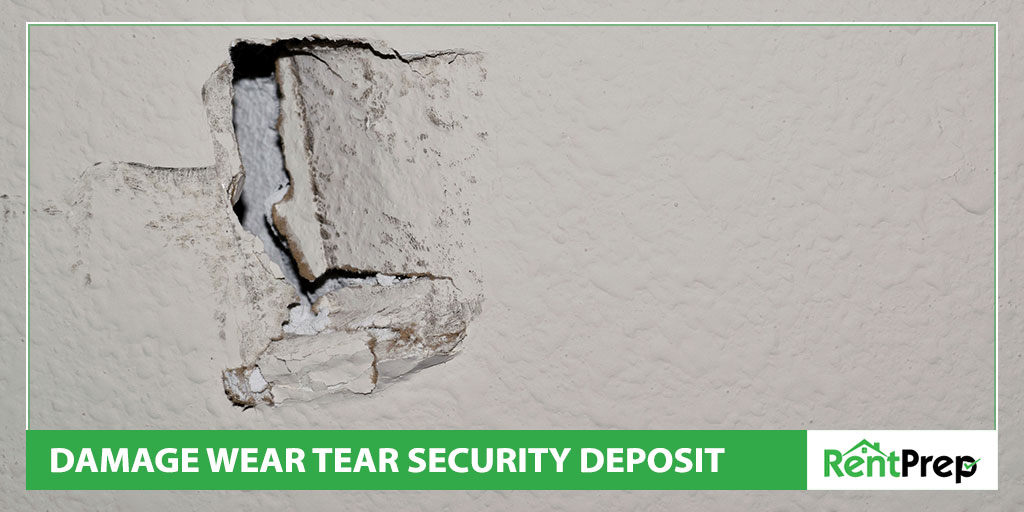
Landlord Guide: What Is Considered Normal Wear and Tear?

Wear and Tear vs. Tenant Damage: Navigating Security Deposit Deductions

Navigate the fine line between wear and tear and tenant damage with ease. Discover the key distinctions that safeguard your investment and ensure fair security deposit practices. Key Takeaways: Understanding Wear and Tear: Recognize natural property deterioration as unavoidable and not chargeable against a tenant’s security deposit. Identifying Tenant Damage: Learn to differentiate damages that…
Read More

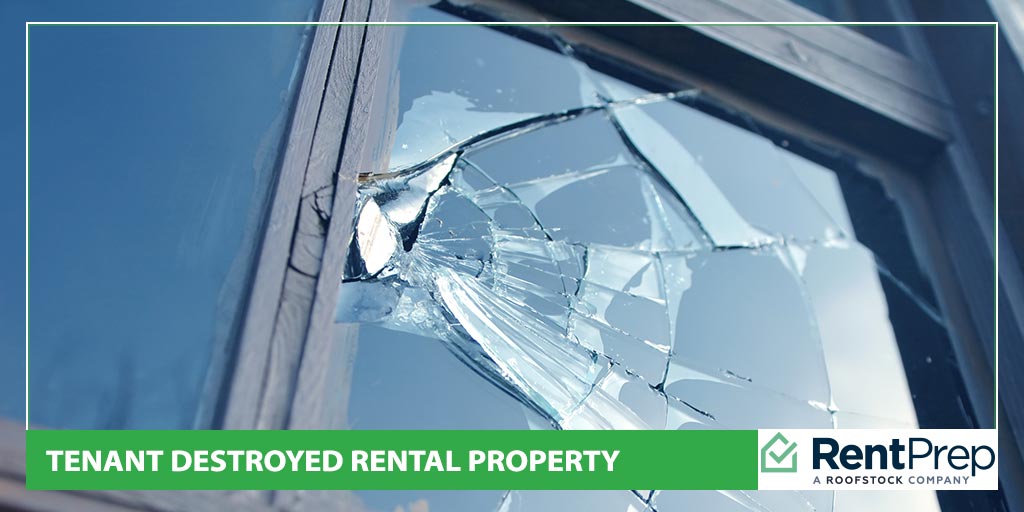
tenant destroyed rental property

Landlord’s Guide to Handling Tenant Property Damage: Legal Actions and Rights

Discover essential strategies for landlords facing tenant property damage. From legal rights to actionable steps, learn how to navigate this challenging situation and secure your investment against deliberate or accidental harm. Key Takeaways Immediate Action is Crucial: Quickly document and assess property damage to determine the next steps. Legal Rights Protected: Landlords have clear legal…
Read More

Tax consequences of transferring property to LLC

What Are The Tax Consequences Of Transferring A Property To An LLC?

As landlords expand their rental property portfolios, many opt to transfer property to a Limited Liability Company (LLC), creating a clear distinction between personal and rental income. If you choose to go this route, moving to a single-member LLC won’t impact your overall tax liability, as you’ll still file through your personal tax return. However,…
Read More